Post-Termite Control Services in Lonavala
IS:6313-compliant drilling, chemical injection, and bait station system for occupied buildings — complete termite elimination with 5-year protection and a completion certificate
Why Post-Construction Termite Treatment is Essential
Termites Are Already Inside Your Walls
By the time you see mud tubes, hollow wood, or discarded wings, termites have typically been active for months or years. Subterranean termites work silently inside walls, floors, and wooden structures. Post-construction treatment with chemical injection destroys active colonies and creates a renewed soil barrier preventing re-entry.
Protect Your Entire Property Value
Termite damage is explicitly excluded from most home insurance policies and devalues property significantly at resale. Banks and housing finance companies may reject mortgage applications on properties with active termite infestation. A post-treatment completion certificate protects your investment and satisfies financial institution requirements.
IS:6313-Compliant Treatment
All our post-construction termite treatments conform to Bureau of Indian Standards IS:6313 (Part 3). This code specifies drilling intervals, injection pressure, chemical concentrations, and safety protocols for remedial anti-termite treatment in occupied structures. Our completion certificate is accepted by builders, banks, and housing societies.
Long-Term Protection with Bait Monitoring
Chemical treatment provides 5–10 years of soil protection. Combined with our bait station system — which intercepts new termite foragers before they reach the structure — and annual inspections under our AMC plan, your property remains termite-free indefinitely with no need for repeat drilling treatment.
Our Services
Comprehensive pest control solutions for every need
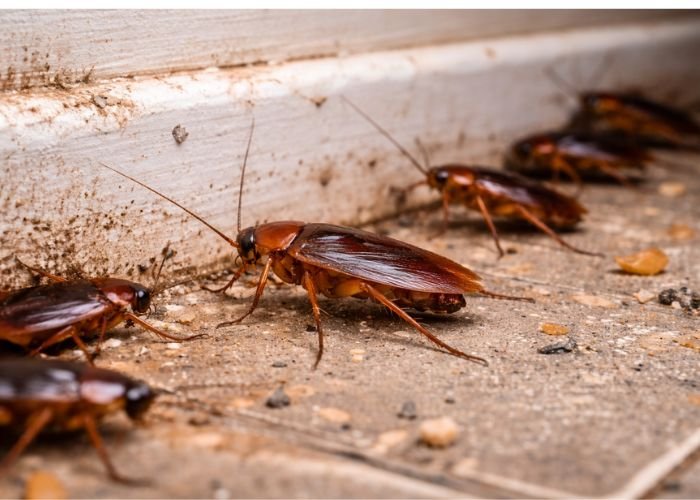
Cockroach Control
Advanced gel baiting and spray treatments for effective cockroach elimination.
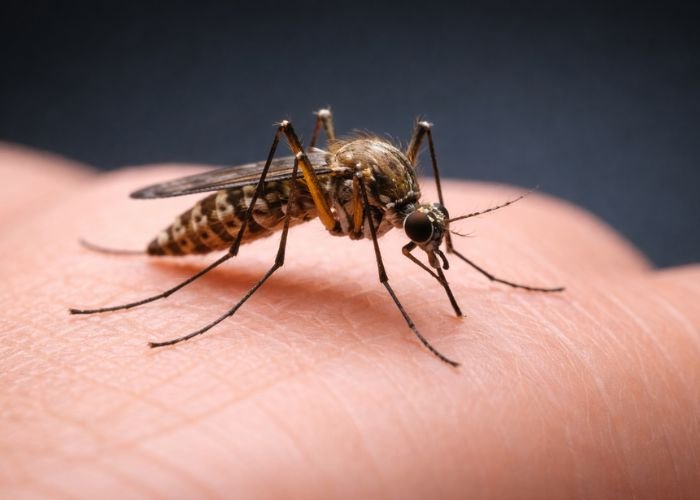
Mosquito Control
Effective mosquito management for disease prevention and family protection.
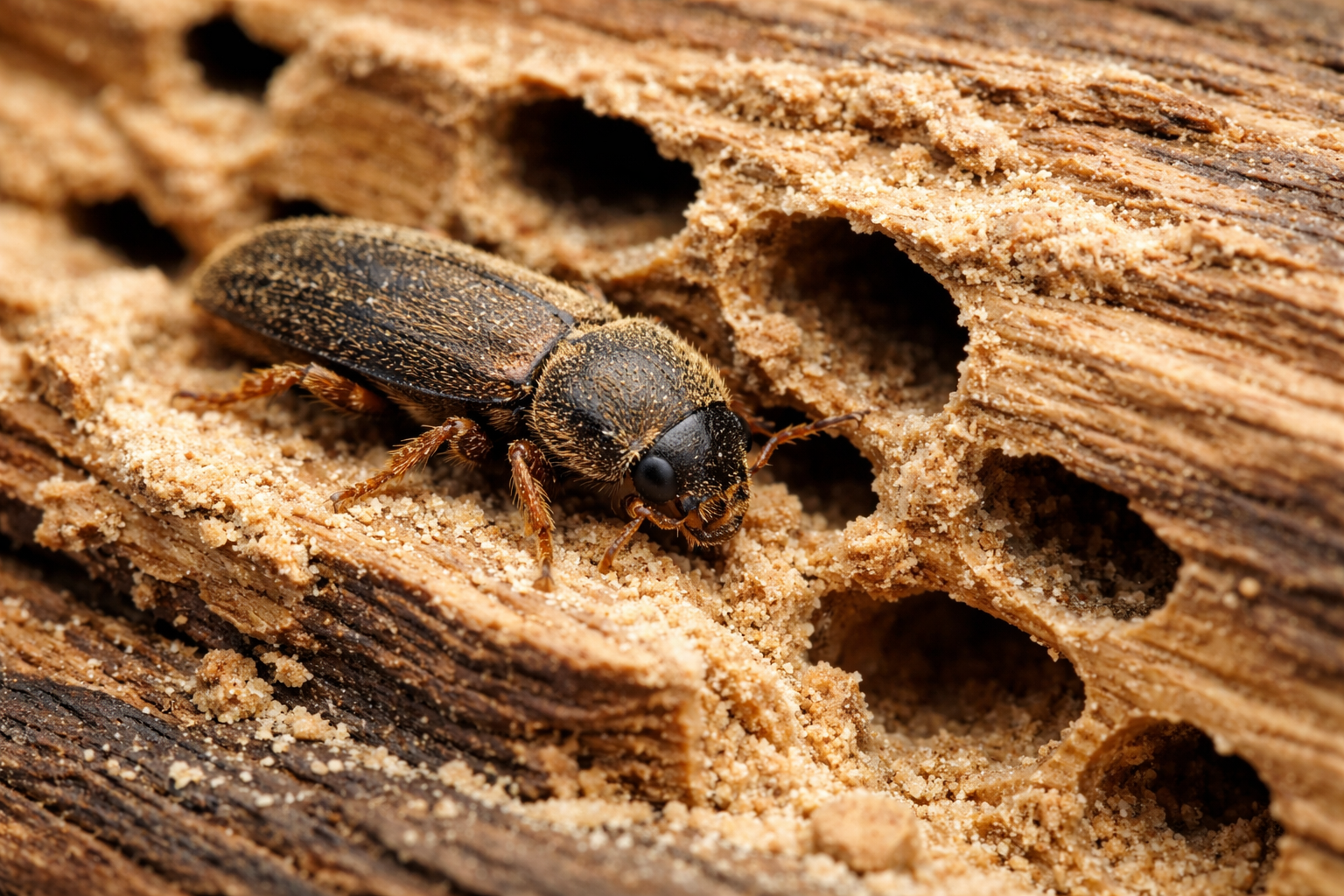
Wood Borer Control
Professional treatment protecting your wooden furniture from costly damage.
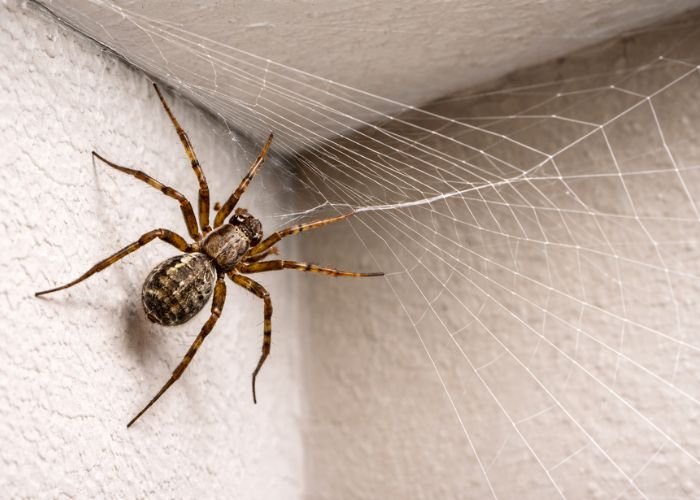
Spider Control
Safe and effective spider removal using targeted eco-friendly solutions.
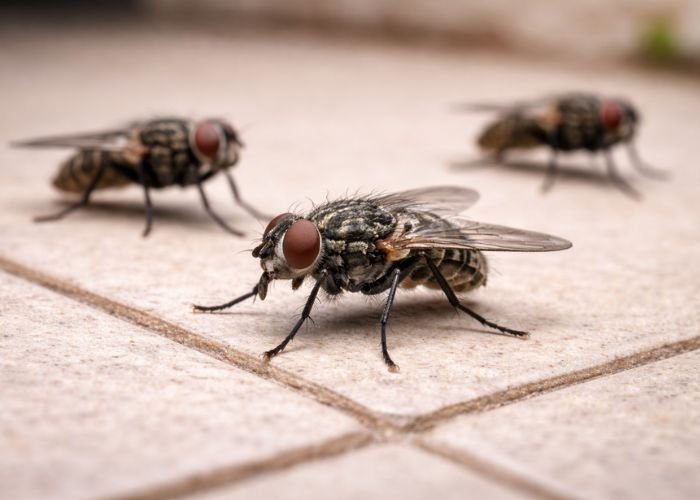
Fly Control
UV traps and drain treatment for complete fly elimination in your home.
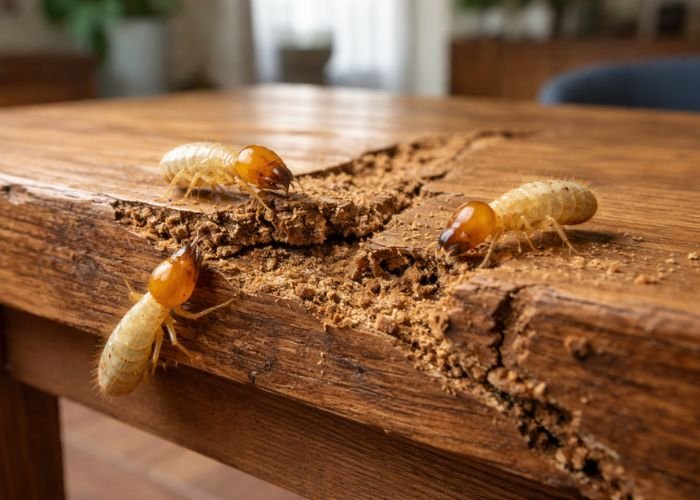
Pre-Termite Control
Pre-construction anti-termite soil barrier and pipe system for new buildings.
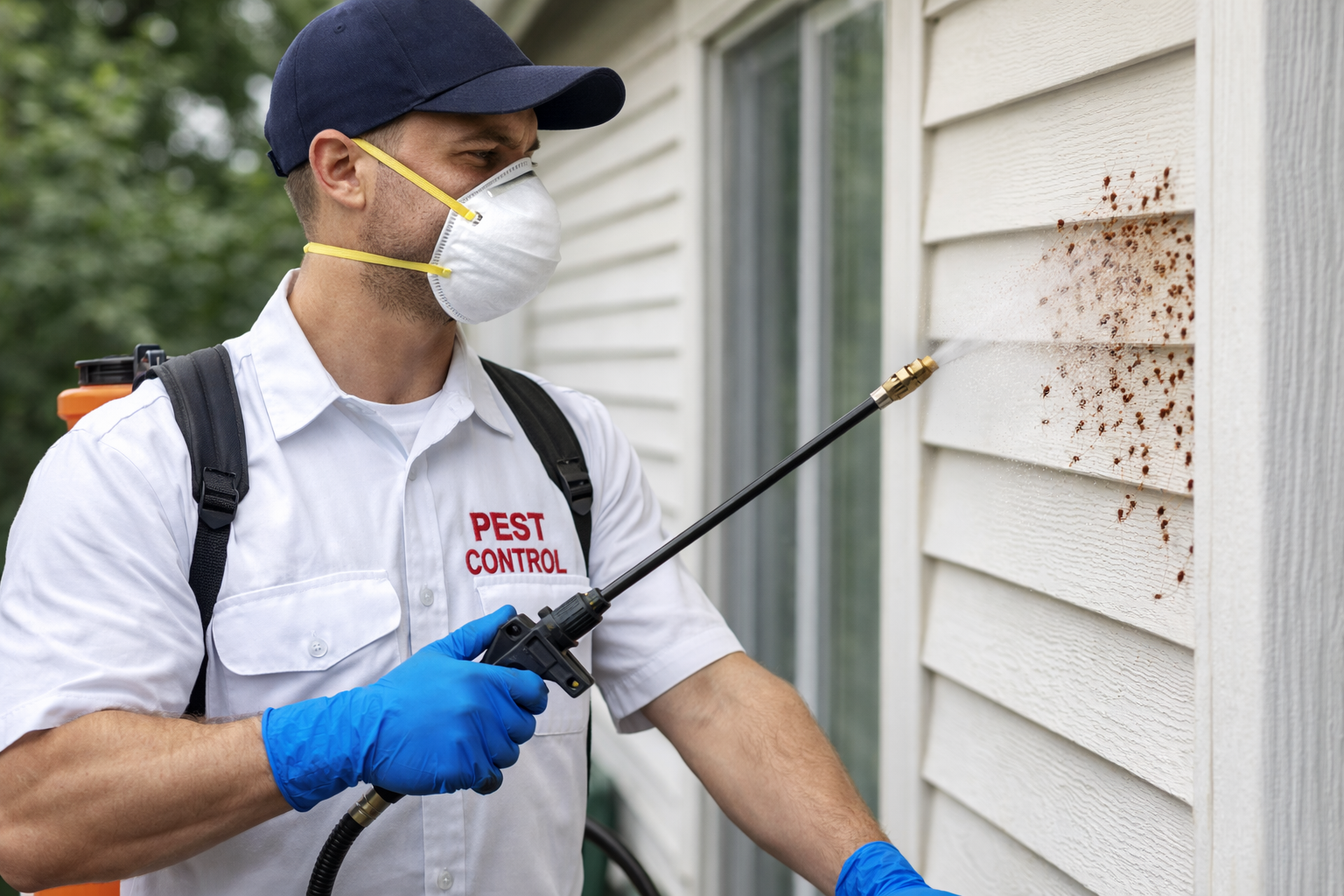
Commercial Pest Control
FSSAI-compliant pest management for businesses with AMC plans.
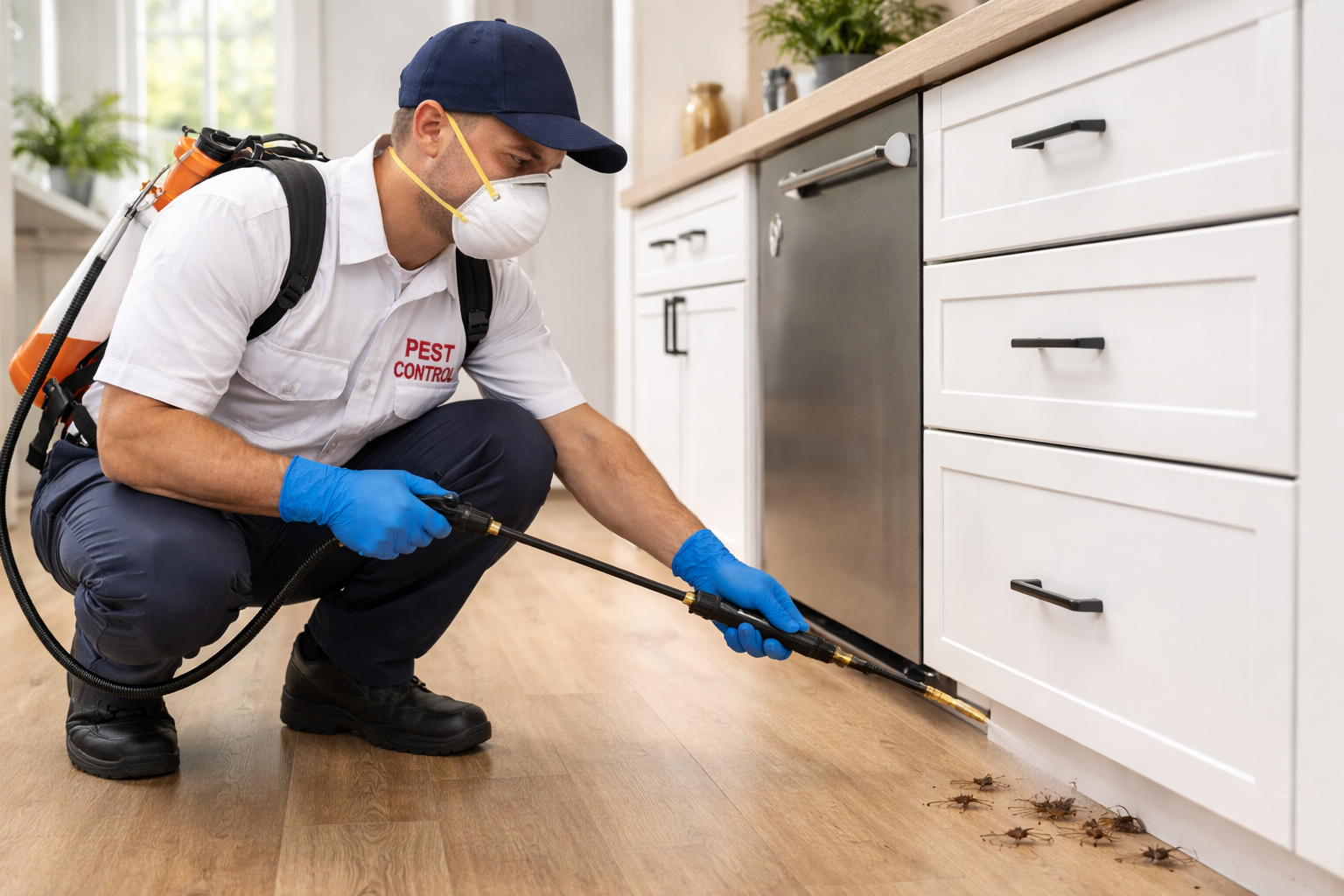
Residential Pest Control
Complete home pest solutions for a safe and healthy living environment.
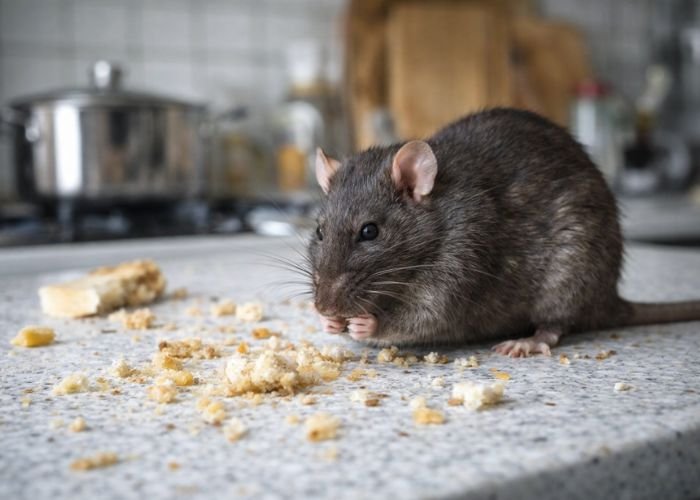
Rodent Control
Expert rat and mouse elimination with bait stations and rodent proofing.
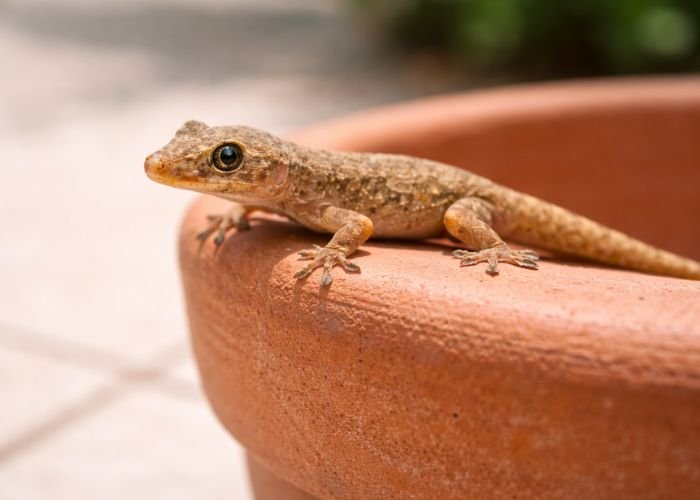
Lizard Control
Safe lizard removal using eco-friendly repellents and habitat modification.
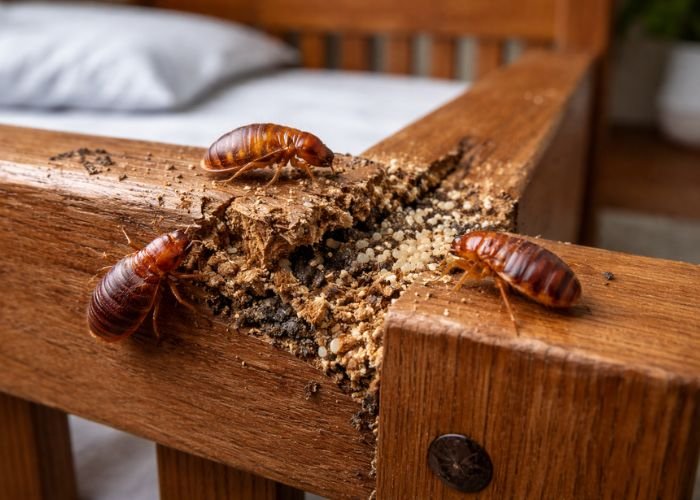
Bed Bugs Control
Complete bed bug elimination with steam heat and chemical treatment.
Post-Termite Control
IS:6313 remedial termite treatment for occupied buildings with drilling, injection, bait stations, and completion certificate.
Treatment Methods
IS:6313-compliant techniques that eliminate active termites and establish a renewed soil barrier — effective for 5–10 years
Drilling & Chemical Injection
Holes are drilled at 30cm intervals along internal and external walls, floor slabs near external perimeters, and around utility pipes. Low-odour termiticide is injected into soil under pressure, creating a continuous chemical barrier around the entire building footprint. Holes are filled with cement mortar after treatment.
Termite Bait Station System
Bait stations are installed at strategic positions in soil around the building perimeter — replacing the need for full-perimeter drilling in some cases. Foraging termites discover and consume slow-acting bait, carrying it back to the colony. The entire colony including the queen is eliminated within 4–8 weeks of bait ingestion.
Wood Treatment Spray & Injection
Termiticide is sprayed directly on to all visible infested timber, door frames, window frames, wooden furniture, and any visible mud tubes. For severely damaged wood members (roof trusses, flooring joists), pressurised injection ensures deep penetration. Treated wood remains protected and structurally sound without replacement in most cases.
Termite Species Threatening Lonavala Buildings
Two termite species cause virtually all structural damage in Lonavala — each with different behaviour and the same treatment requirement: chemical soil barrier plus bait stations.
Responsible for 95% of termite damage in Lonavala. Lives underground and enters buildings through foundation cracks, plumbing gaps, and expansion joints. Builds characteristic clay mud tubes along walls and pipes to maintain humidity. Capable of consuming an entire wooden door frame or staircase in just 3 months.
- Builds mud tubes along walls, pipes, and foundations as highways
- Enters through cracks as small as 1mm — impossible to physically exclude
- Cellulose-eating machines — attack all plant-based materials including paper and cardboard
- Nocturnal and cryptic — damage extensive before visible signs appear
Infests dry wood directly — no soil contact required. Found inside furniture, roof timbers, door and window frames, and hardwood flooring. Colonies are smaller than subterranean species but extremely difficult to detect. Frass pellets (tiny hexagonal pellets) pushed from entry holes are the primary visible sign of active infestation.
- Does not require soil or moisture — lives entirely within dry wood
- Smaller colonies but capable of causing severe localised damage
- Pushes distinctive hexagonal frass pellets from kick-out holes
- Spreads during swarming season — new furniture or wood items can introduce them
Our Post-Termite Control Process
A methodical 4-stage IS:6313-compliant process — survey, drilling, chemical treatment, and ongoing bait monitoring
Termite Survey
Full property inspection — tapping test on all walls, floors, door frames, and wooden members. All mud tubes, hollow wood, frass deposits, discarded wings, and entry points mapped. Infestation severity graded, drilling plan prepared, and cost provided before work begins.
⏳ 45–60 minDrilling & Soil Injection
12mm holes drilled at 30cm intervals along all internal and external walls and floor slabs per IS:6313 (Part 3). Termiticide injected under controlled pressure into soil sub-stratum. All drill holes sealed with cement mortar after injection is complete. Takes 1–2 days for large properties.
⏳ 1–2 daysChemical & Bait Treatment
Direct termiticide spray on visible infested wood. Above-ground and in-ground bait stations installed at perimeter. Active mud tubes broken down and treated. Wood members receive pressurised injection treatment. Post-treatment report and completion certificate issued within 48 hours.
⏳ Half to full dayAMC & Annual Inspection
Annual inspection checks soil chemical effectiveness, monitors bait stations for termite activity, refreshes bait as required, and identifies any structural changes (new cracks, plumbing work) that may have compromised the chemical barrier. AMC provides indefinite protection.
⏳ Annual visitWhat Our Clients Say
Trusted by Lonavala homeowners, builders, and housing societies
The pest control team came at the scheduled time, were very professional and friendly. They did an excellent job eliminating bed bugs from our facility. Highly appreciated!
Eco-Friendly Pests responded quickly to our concerns about rodents. The operators were polite, efficient and professional. They solved our problem completely. Highly recommended!
I had a severe cockroach problem for years. After multiple attempts with other companies without success, Eco-Friendly Pests finally eliminated the issue completely.
Outstanding service! They handled our major cockroach infestation professionally and completely. I recommend them to everyone in my network.
Eco-Friendly Pests has been servicing our restaurant for over a year now. They're always prompt, dependable, and professional. Excellent commitment!
Excellent response time and exceptional customer service. They treated our commercial property as their own. Zero pest issues now. Highly satisfied!
Warning Signs of Termite Infestation
Structural Warning Signs
- ✓ Mud tubes running along walls, pipes, or foundations
- ✓ Hollow sound when tapping on walls or door frames
- ✓ Bubbling or uneven paint on walls (subterranean tunnelling below)
- ✓ Warped or buckled wood flooring and skirting boards
Other Termite Indicators
- ✓ Discarded wings near window sills and light fixtures (swarming)
- ✓ Tiny hexagonal frass pellets near wooden furniture (drywood)
- ✓ Soft or crumbling wood at door and window frames
- ✓ Visible termites (cream/white, soft-bodied) in damaged areas
Termite Prevention Tips
💧 Moisture Management
- • Fix all water leaks — wet soil attracts subterranean termites
- • Ensure proper drainage away from building foundations
- • Keep air conditioning drainage away from walls
- • Maintain bathroom and kitchen pipes — check for seepage
- • Ensure roof and terrace waterproofing is intact
🌲 Wood & Timber Care
- • Paint all wood surfaces — termites avoid painted timber
- • Do not stack firewood or timber against building walls
- • Inspect all secondhand wood furniture before bringing home
- • Seal gaps at wood-to-concrete junctions with sealant
- • Apply boron-based wood preservative to uncoated timber
🏗️ Structural Vigilance
- • Seal all new cracks in walls, floors, and foundations promptly
- • Ensure plumber gaps around new pipes are fully grouted
- • Maintain expansion joint integrity — fill deep cracks with sealant
- • Any renovation or construction work should include re-treatment
- • Do not bury wood debris in garden soil near the building
🔍 Annual Inspection
- • Book annual professional termite inspection under our AMC
- • Check all door and window frames for hollow sounds quarterly
- • Inspect skirting boards for mud tubes after every monsoon
- • Replace bait station cartridges annually as part of AMC
- • Act immediately if any signs are spotted — termite damage accelerates
Certifications & Achievements
Trusted by regulatory bodies and industry leaders. Our commitment to excellence is verified by international and local certifications.

BAYERH Certified
Licensed and certified by Bayer Crop Science, a global leader in pest management solutions and agricultural science.

MCGM Certified
Registered with Municipal Corporation of Greater Mumbai (MCGM) for professional pest control services in Mumbai region.

PMPWAM Certified
Member of Pest Management Professional Association Western Area Maharashtra for quality assurance and professional standards.

PCAI Certified
Certified by Pest Control Association of India (PCAI), ensuring adherence to national standards and best practices.
Our Track Record
Years of dedicated service and proven excellence in pest management:
Frequently Asked Questions
Everything you need to know about post-construction termite control
What is post-construction termite treatment?
+Post-construction termite treatment is a remedial anti-termite process applied to buildings that are already built and occupied. Unlike pre-construction treatment (done before the slab is poured), post-construction treatment involves drilling at regular intervals around the building perimeter and internal floor, injecting chemical termiticide into the soil and foundation, and treating any infested wood directly.
Do I need to vacate my home during post-termite treatment?
+In most cases, residents can remain in the property during treatment. Drilling and injection are done near skirting boards at floor level, and we use low-odour, WHO-approved chemical termiticides. However, if treatment requires access to crawl spaces or causes significant dust, we may recommend temporary vacating of the specific area being treated.
How is post-construction termite treatment different from pre-construction?
+Pre-construction treatment creates an impenetrable chemical barrier in the soil before the structure is built. Post-construction treatment must work around the existing structure — drilling through floors and walls to inject chemical into the soil below. It is more labour-intensive and more expensive per square foot, which is why getting pre-construction treatment is always strongly recommended.
How many holes are drilled and how are they repaired?
+Holes are drilled at 1-foot (30cm) intervals along all internal and external walls, with 12mm diameter drill bits. After injection, all holes are sealed with cement mortar matching the existing floor surface as closely as possible. The sealing is included in our service and is typically unnoticeable after a few weeks.
What chemicals are used for post-termite treatment?
+We use WHO-approved, low-toxicity termiticide solutions including Bifenthrin, Chlorpyrifos, and Imidacloprid formulations depending on infestation severity and building type. All chemicals are applied by licensed pest control operators in strict accordance with IS:6313 (Part 3) and are certified safe for occupied structures.
How long does post-construction termite treatment last?
+Our chemical soil treatment provides protection for 5–10 years depending on soil conditions and chemical concentration used. Termite bait stations are monitored and replaced annually. A post-treatment inspection certificate is provided. Annual inspections are recommended to maintain the protection warranty.
Do you provide a guarantee and certificate?
+Yes. We provide a post-treatment completion certificate (required for home insurance and resale in many societies) and a 30-day bug-free guarantee. We also offer 1-year and 5-year AMC plans with annual inspections and bait station monitoring included at a fixed price.
Can termite treatment be done on a flat in an apartment building?
+Yes. Individual flat treatment is possible with drilling inside the flat along all partition walls and external walls, plus treatment of balcony and bathroom slab perimeters. For complete protection, society-level treatment of the ground slab and external perimeter of the building is ideal — we offer society contracts for this.
My floor is marble or Italian tiles — will drilling damage it?
+We use precision 12mm core drill bits and experienced technicians to minimise surface disruption. Holes are drilled in corners, near skirting boards, and along walls where they are least visible. After injection, holes are filled and polished to blend with the existing surface. We assess the flooring type before confirming the drilling plan and discuss options with you.
I see mud tubes on my walls — how urgent is treatment?
+Very urgent. Visible mud tubes indicate active termite infestation already inside the structure. Subterranean termites work extremely fast — a small colony can destroy significant amounts of timber, plywood, and soft furnishings within weeks. Call us for a same-day inspection. Early remedial treatment is significantly cheaper than repairing termite damage.
Which areas of Lonavala do you serve for post-termite treatment?
+We serve all residential, commercial, and industrial properties across Lonavala and surrounding areas. We offer same-day inspection and priority emergency service for active infestations. Society-level and builder-level contracts are available for large residential complexes.
How is bait station treatment different from drilling and chemical injection?
+Drilling and chemical injection creates an immediate chemical barrier in the soil around the building by saturating it with termiticide — termites crossing the treated zone are killed on contact. Bait stations eliminate the colony at the source: termites find the slow-acting bait, share it with the colony, and the entire population including the queen collapses within weeks. For severe or active infestations we typically combine both methods — injection for immediate control and bait stations for complete colony elimination and long-term monitoring.
Protect Your Property Before Termites Destroy It
Termite damage is irreversible and expensive to repair. Our IS:6313-certified treatment with 5-year protection and completion certificate safeguards your home and its value. Get a free termite survey today.
Book Free Termite Survey📍 Visit Our Office Today
Serving all of Lonavala and surrounding areas — same-day inspection available
Get in Touch
Office Location
D.N. Dube Road, Ratan Nagar,
Dahisar (E), Mumbai - 400068
Call Us
Email Us
Business Hours
Mon-Sat: 9:00 AM - 6:00 PM
Sun: 10:00 AM - 4:00 PM
🌙 24/7 Emergency Available