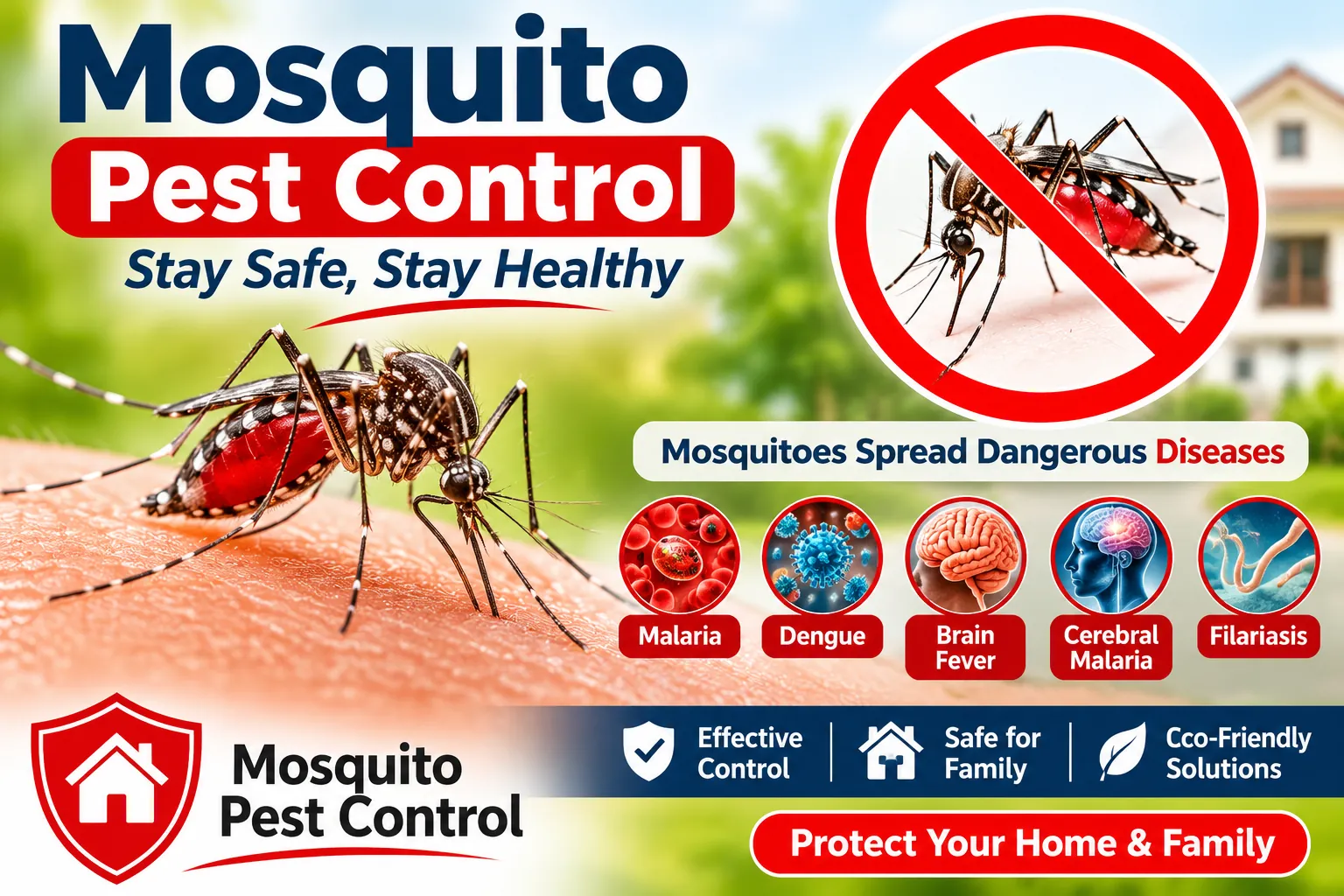
Residents and businesses in Marine Lines call us when mosquitoes start showing up in kitchens, storerooms, bedrooms or common areas. Here is how our mosquito control works and what you can expect from the visit.
There are no surprise charges on the day: the price is confirmed in writing after inspection, based on the size of your property and the level of activity.
- Methods
- Larvicide, residual spray, fogging
- Treatment time
- 1–3 hours depending on area
- Re-entry
- After fog settles (about 1 hour)
- Frequency
- Monthly; fortnightly in monsoon
- Best for
- Societies, bungalows, offices, schools, hospitals
South Mumbai
Pest problems in Marine Lines
Homes and businesses in Marine Lines face the same humid conditions as the rest of the region, with shared drains and nearby shops keeping pests active all year.
Between the sea-facing apartments, markets and office districts of South Mumbai, salty humid air and ageing plumbing create damp corners that cockroaches, termites and rodents favour. Old wooden staircases, doors and lofts make termite and wood borer checks especially important here. Shared light-wells and drain stacks in older buildings let cockroaches travel between flats, so treating drains matters.
Alongside mosquito control, households and businesses in Marine Lines also book cockroach control, commercial pest control, dog tick control and fly control with us — see the links further down this page.
Early warning signs to look for in Marine Lines
- Stagnant water in flower pots, coolers, tyres, overhead tanks or terraces
- Mosquitoes resting in dark corners, under furniture and behind curtains
- Frequent bites at dawn and dusk, or during the day (Aedes mosquitoes)
- Larvae ('wrigglers') visible in buckets or water containers
- Dengue or malaria cases reported in your building or neighbourhood
Why is mosquito control important in Marine Lines?
Mumbai's monsoon creates thousands of small breeding sites — terrace water, construction sites, flower-pot plates, old tyres and blocked gutters. These support Aedes mosquitoes (dengue, chikungunya) and Anopheles mosquitoes (malaria). Aedes mosquitoes breed in clean water and bite during the day, so they are common inside homes and offices.
How does professional mosquito control work?
Fogging alone gives temporary relief. We combine:
- Source reduction — finding and removing stagnant water during inspection.
- Larvicide — treating water that cannot be removed (drains, sumps, ducts) so larvae cannot develop into adults.
- Indoor residual spray — treating walls and dark resting areas where adult mosquitoes rest.
- Thermal or cold fogging (ULV) — fast knockdown of adult mosquitoes in gardens, compounds, parking and common areas.
What does mosquito control cost?
Pricing depends on area, number of breeding sites, the methods needed and visit frequency. Societies and commercial campuses usually choose annual contracts. We quote after a site survey.
Our mosquito control process, step by step
Survey breeding sites
We inspect terraces, gutters, tanks, pots, drains and construction areas for stagnant water and larvae. For Marine Lines, the technician also check shared drains, ducts and the building’s common areas where relevant.
Source reduction
We help remove or empty containers and advise on covering tanks and fixing blocked drains.
Larvicide
Water that cannot be removed is treated so larvae cannot develop.
Residual spray and fogging
Resting areas are sprayed and outdoor areas fogged to knock down adult mosquitoes.
Repeat
Monthly visits — fortnightly in monsoon — keep populations low.
Before and after the treatment
Before the visit
- Empty water from coolers, pots and buckets before the visit.
- Keep children and pets indoors during and for about an hour after fogging.
- Close windows and doors before outdoor fogging.
After the treatment
- Ventilate rooms after indoor residual spraying before re-entering.
- Change water in flower vases and pet bowls every two days.
- Report new stagnant-water sites in your building to the society.
Keeping mosquitoes away after treatment
- Check terraces, balconies and AC drip trays after rain.
- Cover overhead tanks and keep gutters and drains clear.
- Empty and scrub water containers once a week — eggs stick to the sides.
Why Marine Lines chooses Eco-Friendly Pests
Low-odour methods indoors
Gel baits, bait stations and targeted crack-and-crevice treatment keep odour and exposure low.
Fixed written quote
The price is confirmed in writing before work starts — no extra charges added on the day.
Safe-use guidance
You get clear instructions on preparation, re-entry times and aftercare for children and pets.
Homes and businesses
We treat flats, bungalows, housing societies, offices, restaurants, shops and warehouses.
How much does mosquito control cost in Marine Lines?
Pricing for mosquito control in Marine Lines is based on carpet area, the number of rooms or zones treated, the infestation level and the plan you choose. You’ll know the exact amount before any work starts.
Don’t wait for mosquitoes in Marine Lines to spread to the rest of the building. A free inspection is the quickest way to know exactly what you’re dealing with.
Book inspection