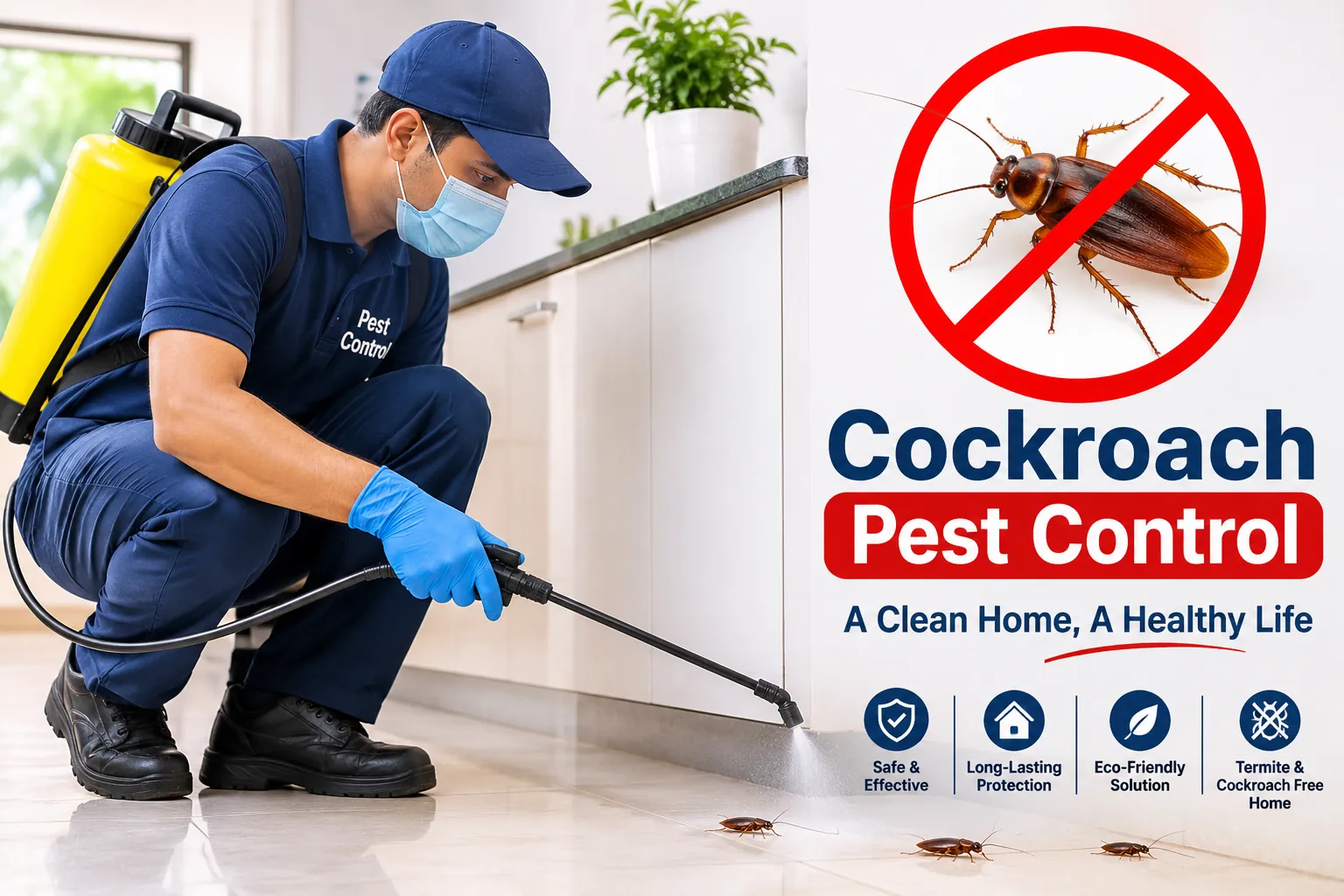
Cockroach Control in Sandhurst Road starts with a free inspection. We find where cockroaches are hiding, how they are getting in and what is attracting them, then treat those exact spots.
We use odourless gel and bait methods indoors wherever they work, and keep sprays limited to cracks, drains and outer areas, so most families can stay at home during treatment.
- Treatment time
- 45–90 minutes (1–3 BHK)
- Need to vacate?
- No — gel treatment is odourless
- Visits
- Initial + follow-up (plan dependent)
- Results
- Visible drop in 7–10 days
- Best for
- Kitchens, bathrooms, restaurants, offices
South Mumbai
What we see in Sandhurst Road
Along Sandhurst Road, shops, restaurants and residential buildings share the same drains and service lanes, so pest activity in one building quickly spreads to the next.
Much of South Mumbai is made up of older cessed buildings, heritage structures and chawls alongside newer towers, so pests travel easily through shared walls, old wooden fittings and decades-old drain lines. Shared light-wells and drain stacks in older buildings let cockroaches travel between flats, so treating drains matters. Old wooden staircases, doors and lofts make termite and wood borer checks especially important here.
Alongside cockroach control, households and businesses in Sandhurst Road also book commercial pest control, fly control, home pest control and mosquito control with us — see the links further down this page.
Signs of cockroaches in Sandhurst Road homes
- Shed skins near sinks, drains and the back of the microwave or fridge
- Brown, capsule-shaped egg cases (oothecae) in corners and appliance gaps
- Live cockroaches running when you switch on the kitchen light at night
- A musty, oily smell in cupboards with heavy activity
- Pepper-like droppings in drawers, cabinet hinges and behind the fridge
Why do cockroaches keep coming back in Sandhurst Road homes?
Mumbai's warm, humid climate lets cockroaches breed all year. In apartment buildings they move between flats through shared drain lines, electrical shafts and garbage ducts, so cleaning alone rarely solves the problem.
The German cockroach — the small, light-brown species found in kitchens — is the hardest to control. A single egg case carries 30–40 nymphs, and over-the-counter sprays usually scatter them deeper into walls instead of reaching the colony.
How does our cockroach gel treatment work?
We use CIB&RC-registered gel baits applied as tiny dots in the exact places cockroaches hide and travel: cabinet hinges, drawer runners, sink cut-outs, switchboards, appliance motors and drain edges.
- Cockroaches eat the bait and return to their harbourage.
- The active ingredient spreads to other cockroaches that contact or feed on them (secondary kill).
- Because the gel is odourless and placed out of reach, you do not need to empty the kitchen or leave home.
For heavy infestations, drains and outdoor areas we may add a targeted residual spray or an insect growth regulator to stop nymphs from maturing.
Gel treatment vs spray: which is better for cockroaches?
For indoor kitchens, gel baiting is usually more effective and far more comfortable than a general spray. Sprays kill on contact but can repel cockroaches into wall voids, and they need you to vacate and clean surfaces afterwards.
Sprays still have a role — in drains, ducts, garbage areas and commercial back-of-house zones. Our technician decides the mix after inspection, rather than spraying everything by default.
How our cockroach control works in Sandhurst Road
Inspect
We locate harbourage points — hinges, appliance motors, drains and electrical points — and assess species and infestation level. In Sandhurst Road homes, we look at balconies, lofts and storage areas that are often missed.
Prepare
We guide you to clear food from open counters. No need to empty cupboards for gel treatment.
Apply gel bait
Odourless gel is placed as small dots in cracks and crevices where cockroaches live, out of reach of children and pets.
Treat drains and entry points
Where required, drains, ducts and outdoor areas receive a targeted residual or growth-regulator treatment.
Follow up
A follow-up visit (as per plan) re-baits active areas to catch nymphs hatching from egg cases.
Before and after the treatment
Before the visit
- Keep children and pets in another room while the technician works.
- Store open food, fruit and pet food in sealed containers.
- Do not spray household insecticide for 3–4 days before the visit — it contaminates the bait and repels cockroaches.
After the treatment
- Keep sinks dry at night and close drain covers.
- Do not wipe or wash the gel dots. Clean around them with a dry cloth.
- Seeing more cockroaches for 2–5 days is normal — the bait draws them out of hiding.
Keeping cockroaches away after treatment
- Inspect cardboard boxes and grocery bags before bringing them inside — they often carry egg cases.
- Fix leaking taps and pipes; cockroaches need water more than food.
- Empty kitchen dustbins every night and keep lids closed.
What you can expect in Sandhurst Road
Homes and businesses
We treat flats, bungalows, housing societies, offices, restaurants, shops and warehouses.
Safe-use guidance
You get clear instructions on preparation, re-entry times and aftercare for children and pets.
Low-odour methods indoors
Gel baits, bait stations and targeted crack-and-crevice treatment keep odour and exposure low.
Written warranty
Your service period is written on the report, with free re-treatment if activity returns within it.
How much does cockroach control cost in Sandhurst Road?
Pricing for cockroach control in Sandhurst Road is based on carpet area, the number of rooms or zones treated, the infestation level and the plan you choose. You’ll know the exact amount before any work starts.
Book your free inspection for cockroach control in Sandhurst Road today. We’ll inspect, explain and quote in writing before starting any work.
Book inspection